
April 2, 2026
Key Takeaways
- Proactive tree care is essential in Southern Maryland to mitigate hurricane damage, focusing on pruning, removal of hazardous trees, and ongoing health checks.
- Understanding local regulations, like the Maryland Roadside Tree Law, is crucial before undertaking any significant tree work.
- The best time for major tree preparation is outside of peak hurricane season, typically in late fall or early spring, but emergency issues need immediate attention.
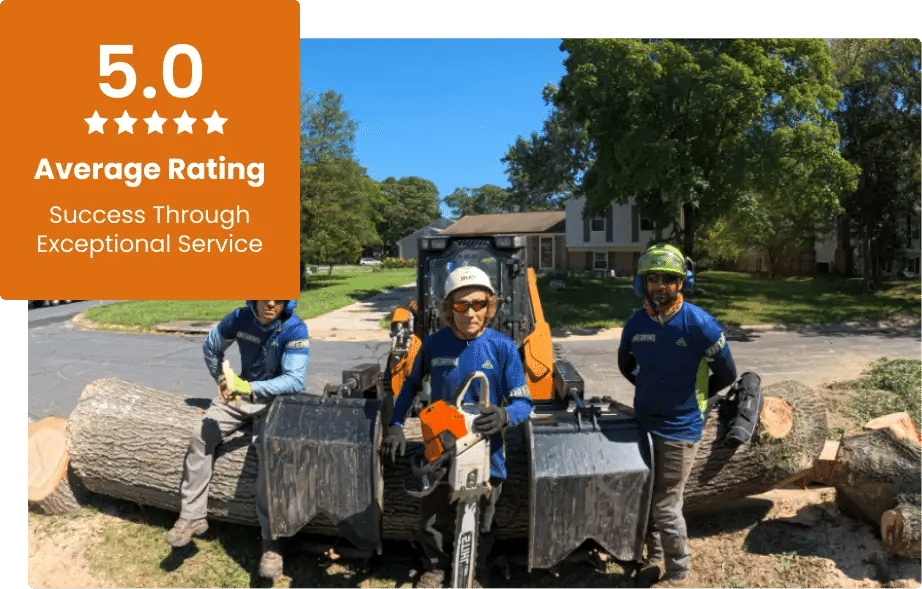
- Empire Tree Service helps Southern Maryland homeowners get their trees ready, providing expert assessments and safe, efficient services.
- Identifying vulnerable trees and addressing them before a storm hits can save you significant time, money, and stress.
Living in Southern Maryland brings many joys, from beautiful waterfront views to lush green landscapes. However, it also means preparing for the Atlantic hurricane season, which officially runs from June 1st to November 30th. While direct hurricane landfalls are rare, our region frequently experiences tropical storms, heavy rains, and strong winds that can wreak havoc on trees and, by extension, your property.
The Short Answer: When to Schedule
The short answer is to start your tree preparation well before hurricane season begins, ideally in the late fall or early spring. This allows trees to recover from pruning before the stress of summer heat and potential storms. However, identifying and addressing hazardous trees is a year-round responsibility, especially in a region prone to severe weather.
Southern Maryland Seasonal Breakdown
Understanding the unique climate patterns of Southern Maryland is key to effective tree care. Here is how the seasons impact your tree preparation efforts for hurricanes:
Spring (March to May)
Spring is a time of growth, but it is also an excellent window for light pruning and maintenance. Address any lingering dead branches from winter and shape trees to encourage strong, storm-resistant structures. This is also a good time to plant new trees, giving them a chance to establish roots before summer.
Summer (June to August)
This is when the Atlantic hurricane season officially kicks off. Heavy pruning during summer can stress trees, making them more vulnerable. Focus on monitoring your trees closely for any sudden changes, signs of disease, or new hazards. If you notice a problem, act quickly. This is also the peak time for thunderstorms, which can cause unexpected damage.
Fall (September to November)
While hurricane season continues, fall is a great time to evaluate your trees after the summer’s growth. Once leaves begin to drop, it is easier to spot structural issues. This is an ideal time for more extensive pruning or the removal of larger, hazardous limbs, as trees are preparing for dormancy.
Winter (December to February)
Winter is the prime time for major tree work. With no leaves, arborists can clearly see the tree’s structure, making it easier to identify weak points. Trees are dormant, so pruning causes less stress, and they can heal effectively before spring. This is the best window for significant structural pruning or tree removals to prepare for the next hurricane season.
Weather Conditions That Affect Timing in Southern Maryland
The weather in Southern Maryland plays a huge role in tree health and vulnerability. Knowing what conditions to look out for can help you decide when it is time to act.
- High Winds: Obviously, strong winds are the primary concern during a hurricane. However, even regular thunderstorms in St. Mary’s, Charles, and Calvert Counties can have localized high winds that test your trees. Proactive pruning of weak or overextended branches reduces the chance of breakage.
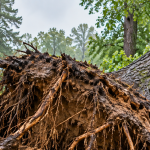
- Heavy Rainfall: Southern Maryland experiences significant rainfall, especially during summer and hurricane season. Saturated soil significantly reduces a tree’s stability, making it more susceptible to uprooting even in moderate winds. Ensuring good drainage around your trees can help.
- Drought Conditions: While seemingly opposite, prolonged dry spells can weaken trees, making them less resilient to strong winds when heavy rains eventually arrive. Stressed trees are more prone to disease and structural failure.
- Ice Storms: Although less common than hurricanes, ice storms in winter can cause severe damage to branches and entire trees, creating new hazards that need attention before the next hurricane season. These events can expose weaknesses that might not be visible otherwise. Empire Tree Service s often advises homeowners to inspect their trees after any significant weather event.
Signs It Is Time to Act Now
Your trees often give clear signals when they need attention. Ignoring these signs can lead to costly and dangerous consequences during a storm. Here is what to look for:
- Dead or Dying Branches: These are weak points that can easily break off during high winds, posing a serious threat to your home, vehicles, and power lines.
- Cracks or Splits in the Trunk or Major Limbs: These indicate structural weaknesses that can lead to catastrophic failure, especially in strong winds.
- Leaning Trees: If a tree suddenly starts to lean, or if its lean becomes more pronounced, it could be a sign of root damage or instability, making it a prime candidate for uprooting.
- Hollow Spots or Cavities: These can indicate internal decay, compromising the tree’s structural integrity. A healthy-looking exterior can sometimes hide significant internal damage.
- Branches Rubbing Together: Constant friction can create open wounds, making the tree vulnerable to disease and weakening the branches over time.
- Proximity to Structures or Power Lines: Any branch overhanging your house, garage, or power lines should be pruned back. Even small branches can cause significant damage or outages.
- Fungal Growths at the Base: Mushrooms or other fungal bodies growing at the base of the tree or on its roots can signal root rot, which severely compromises stability.
Local Angle: Protecting Your Trees in Southern Maryland
Southern Maryland, encompassing beautiful areas like St. Mary’s, Charles, and Calvert Counties, has a unique blend of coastal proximity and forested areas. This makes our trees particularly vulnerable to the strong winds and heavy rainfall that accompany tropical storms and hurricanes. The low-lying areas, especially near the Chesapeake Bay, are also susceptible to storm surge and localized flooding, further impacting tree stability. Understanding local regulations is just as important as understanding the weather. For instance, the Maryland Roadside Tree Law requires a permit from the Maryland Department of Natural Resources Forest Service for any work on trees within a public road right-of-way.
While private property trees generally do not require state permits, homeowners in areas like the Chesapeake Bay Critical Area might face county-specific ordinances restricting tree removal. Always check with your local county planning or zoning office before starting any major tree work. This ensures you are compliant and avoid potential fines. NOAA forecasts an above-average 2025 Atlantic hurricane season, predicting 13 to 19 named storms, with 6 to 10 hurricanes. This emphasizes the critical need for proactive tree care in our region, as Southern Maryland is specifically noted to face risks of storm surge, heavy rain, and inland flooding. Being prepared is not just a recommendation; it is a necessity.
Local Insight: Preparing Trees in St. Mary’s, Charles, and Calvert Counties
Each part of Southern Maryland, from the historic waterfronts of St. Mary’s County to the growing communities in Charles County and the scenic Cliffs of Calvert County, experiences hurricane season impacts a little differently. For example, properties closer to the water in towns like Solomons or Leonardtown might face higher risks from storm surge and sustained coastal winds, which can weaken root systems over time. Inland areas, like those around Waldorf or Prince Frederick, might see more damage from fallen trees due to saturated soils and intense localized downbursts during thunderstorms that precede or accompany larger storm systems.
The soil types also vary; some areas have heavier clay soils that hold water, while others have sandier, faster-draining soils. Both can present challenges during extreme weather. Heavy clay soils, when saturated, can lead to widespread uprooting, while sandy soils, though draining quickly, might not provide the firm anchorage needed for large trees in hurricane-force winds.
Expert Tip: When to Call for Professional Help
While some minor pruning can be a do-it-yourself task, preparing large trees for hurricane season often requires professional expertise. Knowing when to call a Licensed & Insured arborist can prevent accidents and ensure the job is done safely and correctly. Here are key situations when professional help is essential:
- Large or Tall Trees: Pruning or removing large trees is dangerous and requires specialized equipment and training. Professionals have the experience to work safely at height and handle heavy limbs.
- Trees Near Power Lines: Never attempt to prune trees near power lines yourself. This is extremely dangerous and should always be handled by trained professionals or the utility company.
- Signs of Disease or Decay: An arborist can accurately diagnose tree diseases and recommend the best course of action, which might include specific treatments or removal if the tree is beyond saving.
- Complex Structural Issues: If a tree has significant cracks, splits, or an unusual lean, a professional can assess the risk and determine if cabling, bracing, or removal is the safest solution.
- Permit Requirements: If your tree work requires a permit, a professional tree service can often help you navigate the application process and ensure compliance with local regulations. Pro tip from Empire Tree Service s: Always verify a tree service is licensed and insured for your protection.
Frequently Asked Questions
When is the best time to prune trees in Southern Maryland for hurricane season?
The best time to prune trees for hurricane season is during the dormant winter months or early spring before new growth appears. This allows the tree to heal before the stress of summer heat and potential storms. However, hazardous limbs should be addressed immediately, regardless of the season.
Are there specific tree removal or pruning regulations in Southern Maryland I should know about?
Yes, Maryland has specific regulations, especially concerning trees within public road rights-of-way or in critical environmental areas like the Chesapeake Bay Critical Area. Always check with your local county planning or zoning office, and for roadside trees, a permit from the Maryland Department of Natural Resources Forest Service might be required. Professional tree services like Empire Tree Service s can help you navigate these rules.
What are the common signs of a hazardous tree that needs attention before a hurricane?
Look for dead or decaying branches, cracks in the trunk, leaning trees, or branches growing too close to your home or power lines. Also, consider the species of tree. Some, like Willow Oaks or Silver Maples, are more prone to storm damage than sturdier species like Live Oaks or Bald Cypress. A professional arborist can identify these risks.
What should I do if a hurricane has already damaged my trees?
After a hurricane, assess the damage safely. Stay clear of downed power lines and leaning trees. Document any damage with photos for insurance purposes. Contact a professional tree service immediately for emergency tree removal or cleanup, especially for large, fallen trees or those posing an immediate threat to your property. For emergency services, visit our tree removal service page.
Can I make my trees completely hurricane-proof?
While proper pruning can significantly reduce risk, no tree is 100% hurricane-proof. The goal of preparation is to minimize potential damage by removing weak points and improving the tree’s overall health and structure. Even healthy trees can fall in extreme winds, but well-maintained trees are far more resilient.
How does heavy rain impact tree stability during a hurricane?
Heavy rains can saturate the soil, making it easier for strong winds to uproot trees, even healthy ones. The combination of high winds and wet soil is particularly dangerous for shallow-rooted trees. Ensure good drainage around your trees where possible, and address any standing water issues.
Protect Your Property With Proactive Tree Care
Preparing your trees for hurricane season in Southern Maryland is a vital step in protecting your home and family. By understanding the risks, knowing the right time to act, and taking proactive measures, you can significantly reduce potential damage. Don’t wait until a storm is on the horizon. Ready to get started? Contact Empire Tree Service today for a professional tree assessment and expert hurricane preparation services. Visit Localtreeman.com to schedule your consultation.