
March 7, 2026
Key Takeaways
- Empire Tree Services helps Dunkirk homeowners understand that clay soil’s dense nature can suffocate tree roots, leading to poor growth and increased disease risk.
- Compaction and poor drainage are primary issues in clay soil, making it hard for roots to get the oxygen and space they need.
- Amending clay soil with organic matter, choosing suitable tree species, and using proper watering techniques are crucial for tree health in Dunkirk.
- Local climate, with its ample rainfall, can exacerbate clay soil problems, requiring careful management by Calvert County property owners.
- Understanding local tree regulations in Dunkirk, MD, is essential before undertaking any significant tree work.
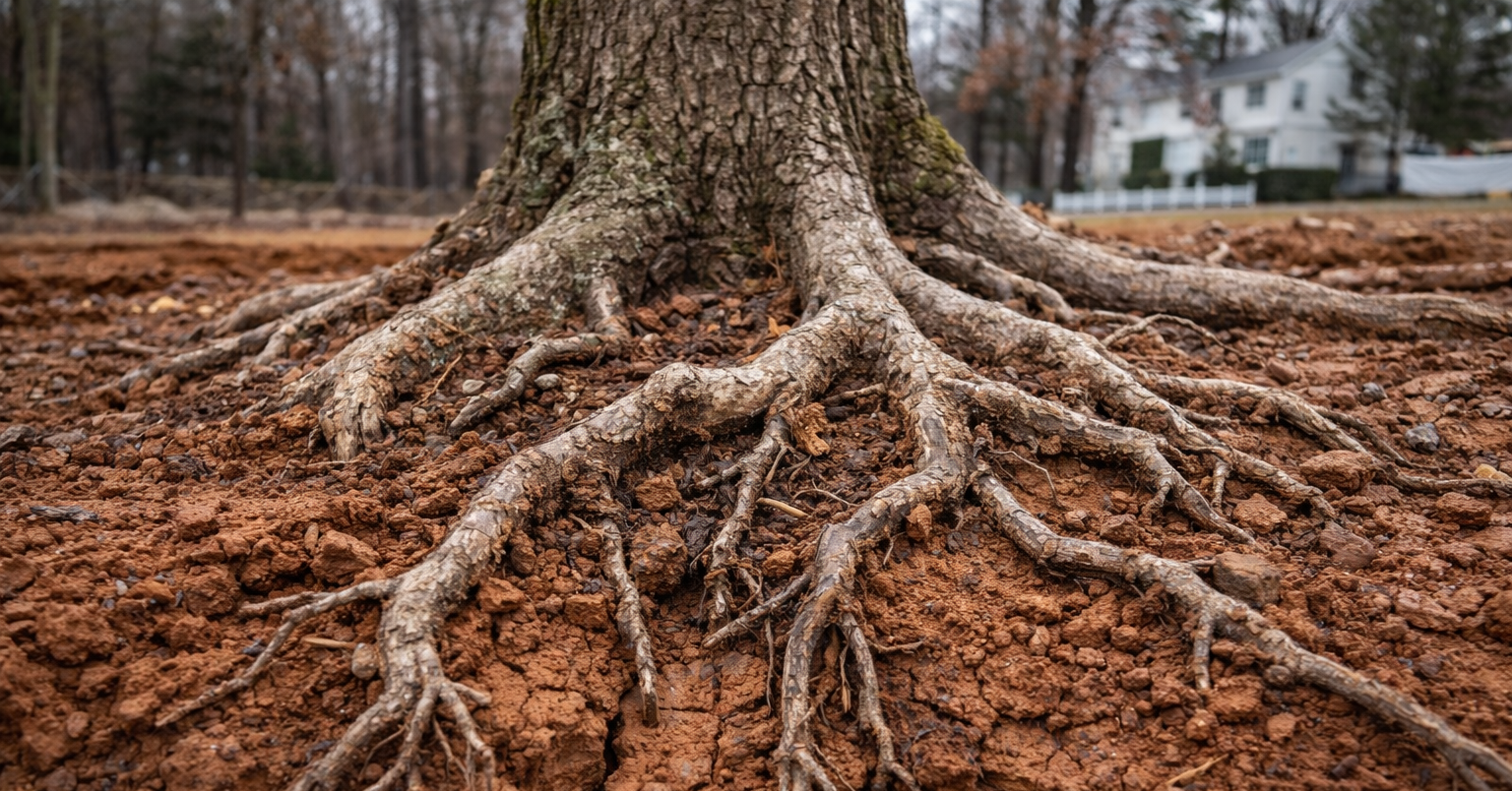
Trees are vital to the beauty and health of our Dunkirk, MD, properties, offering shade, improving air quality, and boosting curb appeal. But beneath the surface, a hidden challenge often impacts their well-being: the soil they grow in. Specifically, the clay-rich soils common in Calvert County can create unique problems for tree root health.
What is Clay Soil and Why Is It Important in Dunkirk, MD?
Clay soil is characterized by its tiny, tightly packed particles, which give it a dense, heavy feel. Unlike sandy soils that drain quickly or loamy soils that offer a balanced mix, clay soils hold water like a sponge. This can be a double-edged sword for trees, especially here in Dunkirk, MD.
Understanding Clay Soil Characteristics
The specific characteristics of clay soil directly influence how well tree roots can grow and absorb nutrients. In Calvert County, including areas like Dunkirk, you’ll often find soils with significant clay content, particularly in subsoil layers, such as the ‘Calvert series’, which indicates ‘silty clay loam’.
- Poor Drainage: The small, dense particles in clay soil mean water moves very slowly through it. After heavy rains, this can lead to waterlogged conditions, depriving roots of essential oxygen.
- High Water Retention: While clay holds water well, which can be beneficial during dry spells, too much retention leads to saturation, which is detrimental.
- Susceptibility to Compaction: Clay soils are easily compacted, especially when wet. Foot traffic, vehicles, or construction can press the particles together, further reducing air pockets and making it incredibly difficult for roots to penetrate and expand.
- Nutrient Retention: On the positive side, clay soils are often rich in nutrients because their particles have a negative charge, allowing them to hold onto positively charged nutrient ions effectively. However, if roots cannot access these nutrients due to compaction or lack of oxygen, this benefit is lost.
Essential Steps for Managing Trees in Clay Soil
Managing trees in clay soil requires a specific approach to ensure their roots remain healthy and strong. These essential steps can help mitigate the challenges posed by dense soil conditions in Dunkirk, MD.
Improving Soil Structure
Improving the physical structure of clay soil is fundamental to promoting healthy root growth. This involves making the soil less dense and more porous.
- Adding Organic Matter: Incorporate generous amounts of organic materials like compost, aged manure, or leaf mold into the soil. This helps create larger pore spaces, improves drainage, and encourages beneficial microbial activity.
- Aeration Techniques: For established trees, core aeration can help by creating small holes that allow air, water, and nutrients to reach the roots. This is often done with specialized equipment and should be performed carefully to avoid root damage.
- Avoiding Compaction: Prevent heavy machinery, vehicles, or even excessive foot traffic around the tree’s root zone, especially when the soil is wet. Compaction is a major enemy of roots in clay soil.
Proper Planting Techniques
How you plant a tree in clay soil can significantly impact its chances of thriving. Proper planting techniques can help roots establish themselves more effectively.
- Choosing Clay-Tolerant Trees: Select tree species known to tolerate or even prefer clay soil conditions. Research trees native to the Mid-Atlantic region, as they are often better adapted to local soil types.
- Wider, Shallower Planting Holes: Dig a planting hole that is two to three times wider than the root ball but no deeper than the root ball itself. This encourages roots to spread horizontally into less compacted surrounding soil.
- Root Collar Exposure: Ensure the root collar (the point where the trunk flares out and meets the roots) is at or slightly above the soil surface. Planting too deep is a common mistake that can suffocate roots.
Watering and Drainage Strategies
Watering correctly in clay soil is crucial, as too much or too little can both cause problems. Effective drainage strategies are also important to prevent waterlogging.
- Deep, Infrequent Watering: Water deeply to encourage roots to grow downwards, but allow the soil to dry out somewhat between waterings. This prevents constant saturation and ensures roots get oxygen.
- Monitoring Soil Moisture: Use a soil probe or stick your finger a few inches into the soil to check moisture levels before watering. Only water if the soil feels dry at that depth.
- Considering Drainage Solutions: For areas with severe drainage issues, consider creating raised planting beds or installing French drains to help divert excess water away from tree roots.
Common Mistakes Dunkirk Homeowners Make
Even with good intentions, homeowners in Dunkirk, MD, can sometimes inadvertently harm their trees when dealing with clay soil. Avoiding these common mistakes can save your trees from unnecessary stress and potential damage.
- Overwatering: Because clay soil retains moisture so well, it’s easy to overwater. This leads to prolonged saturation, which suffocates roots by depriving them of oxygen and creates an ideal environment for root rot.
- Planting Too Deeply: A very common error, planting a tree too deeply buries the root collar, making it difficult for the tree to breathe and hindering proper establishment. Always ensure the root flare is visible at or slightly above the soil line.
- Ignoring Soil Compaction: Allowing heavy equipment, vehicles, or even excessive foot traffic over the root zone, especially when the soil is wet, severely compacts clay. This crushing of soil particles eliminates air spaces, making it impossible for roots to grow and absorb water effectively.
- Choosing the Wrong Tree Species: Selecting trees that naturally prefer well-drained, sandy, or loamy soils for a clay-heavy environment sets them up for failure. Always research a tree’s soil preferences before planting.
- Not Addressing Poor Drainage: Simply planting a tree in a waterlogged area without improving drainage or choosing a water-tolerant species will likely lead to its demise. Standing water is a clear sign of a problem that needs to be addressed before planting.
Local Regulations or Climate Factors in Dunkirk, MD
Understanding the local environment is crucial for effective tree care in Dunkirk, MD. Our climate and specific county regulations play a significant role in how trees respond to clay soil.
Calvert County’s Climate and Its Impact
Dunkirk, MD, experiences a climate that can either help or hinder trees in clay soil. The area receives an average of 44 inches of rain per year, which is more than the U.S. average. This generous rainfall, combined with typically muggy summer months, means clay soils can remain saturated for extended periods, increasing the risk of root suffocation and fungal diseases. While the area gets 204 sunny days annually, periods of prolonged wetness followed by dry spells can cause clay to harden, making it difficult for water to penetrate when it’s needed.
Navigating Local Tree Regulations
Calvert County, where Dunkirk is located, has specific regulations governing tree removal and care. These rules are designed to protect the environment and ensure responsible land management. Ignoring them can lead to significant fines and legal issues.
- Maryland Roadside Tree Law: A permit from the Maryland Department of Natural Resources (DNR) Forest Service is usually required for any work on trees within a public right-of-way. This also applies to underground work that might affect tree roots.
- Calvert County Critical Area Program: If your property is within 1,000 feet of tidal waters or wetlands, you are in a Critical Area. This means strict rules apply to vegetation removal and a 100-foot buffer must be maintained. Permits are almost always needed for tree work in these zones.
- Calvert County Vegetation Removal Permits: For larger projects, such as removing more than 20 trees or disturbing 5,000 square feet or more of forest, a Non-Critical Area Vegetation Removal Permit is required. A Sediment & Erosion Control Plan (SECP) might also be necessary.
Homeowner Tip for Dunkirk
Given Dunkirk’s significant annual rainfall and humid summers, residents should pay extra attention to soil moisture levels around their trees. Even if it hasn’t rained recently, clay soil can retain water for longer periods, potentially leading to root rot if overwatered. Use a soil probe to check moisture a few inches down before watering, and consider planting rain gardens or installing permeable pathways to manage runoff and reduce saturation in certain areas.
Expert Tip / When to Call Empire Tree Services
While understanding your soil and implementing good practices is vital, some tree issues caused by clay soil require professional intervention. Knowing when to call an expert can save your trees and prevent costly mistakes.
- Signs of Severe Tree Stress: If you notice significant yellowing, wilting, branch dieback, or fungal growth around the base of your tree, these could be signs of severe root problems or disease exacerbated by clay soil. Empire Tree Services often advises a professional assessment.
- Unsure About Soil Compaction: If you suspect compaction is a major issue and aren’t sure how to effectively address it without harming your tree, an arborist can provide solutions like deep root fertilization or specialized aeration.
- Before Major Planting or Landscaping: If you’re planning to plant new trees or undertake significant landscaping, consulting with a tree service can help you choose the right species and prepare your clay soil correctly from the start.
- Need for Tree Removal or Complex Pruning: Trees stressed by clay soil can become weaker and more prone to disease or structural failure. If a tree becomes hazardous, professional removal or expert pruning is essential for safety and to comply with local regulations in Dunkirk, MD.
Frequently Asked Questions
Why is clay soil particularly challenging for tree roots?
Clay soil has very small, dense particles that hold water tightly, leading to poor drainage and reduced air pockets. This can suffocate tree roots, make it hard for them to grow, and increase the risk of root rot. Compaction further restricts root growth and nutrient uptake.
What’s the best way to improve clay soil for existing trees?
Adding organic matter like compost or well-rotted manure is highly effective. It helps break up the clay particles, improves drainage, and creates a more hospitable environment for roots. Aeration can also temporarily help by creating channels for air and water.
Which tree species thrive best in Dunkirk’s clay soil?
Look for trees native to the Mid-Atlantic region or those known for tolerating heavy soils. Examples include River Birch, Red Maple, Willow Oak, and Bald Cypress. These species are better adapted to the moisture fluctuations and density of clay soils.
How can I tell if my tree’s roots are struggling in clay soil?
Signs include stunted growth, yellowing or wilting leaves, premature leaf drop, and dieback of branches. You might also see standing water around the tree base after rain, or the soil feeling exceptionally hard and compacted.
Are there local regulations impacting tree care in Dunkirk, MD?
In Dunkirk, you need to be aware of Calvert County’s Critical Area Program if you’re near tidal waters, and general vegetation removal permits for larger projects. For any significant tree work, especially near roadsides, permits from the Maryland DNR Forest Service may be required. Consulting with a local arborist can help you navigate these rules.
Can I overwater trees planted in clay soil?
Yes, overwatering is a common mistake. Clay soil retains water for a long time, so frequent watering can keep roots constantly saturated, leading to oxygen deprivation and rot. It’s better to water deeply but less often, allowing the soil to dry out slightly between waterings.
When should I call a professional tree service for clay soil issues?
If you notice significant tree decline, severe soil compaction, or suspect root disease, it’s time to call a professional. An arborist can provide a comprehensive tree health assessment and recommend appropriate treatments, including specialized soil amendments or drainage solutions. Learn more about our tree health assessment services.
How to Keep Your Trees Healthy in Dunkirk’s Clay Soil
Clay-heavy soil in Dunkirk and across Calvert County can trap water, suffocate roots, and destabilize mature trees over time. If your trees are leaning, thinning, or struggling after heavy rain, the soil may be the real problem. Empire Tree Services provides site-specific soil evaluation and tree care strategies designed for Southern Maryland conditions. Schedule a professional assessment to protect your trees before structural damage becomes a safety risk.